
Introduction
In the modern digital era, customer expectations are higher than ever. Consumers want instant responses, personalized experiences, and seamless interactions across multiple channels. To meet these demands efficiently, businesses are turning to automation in customer communication.
Automation is no longer just a technological buzzword — it’s a business necessity. By integrating automated systems, such as chatbots, AI-driven messaging, and CRM tools, organizations can manage communication more effectively while providing faster, more consistent, and personalized service. This transformation not only enhances customer satisfaction but also reduces workload, improves accuracy, and drives long-term growth.
In this article, we’ll explore how automation in customer communication is transforming business-customer relationships, its benefits, challenges, use cases, and how companies can implement it successfully.
1. Understanding Automation in Customer Communication
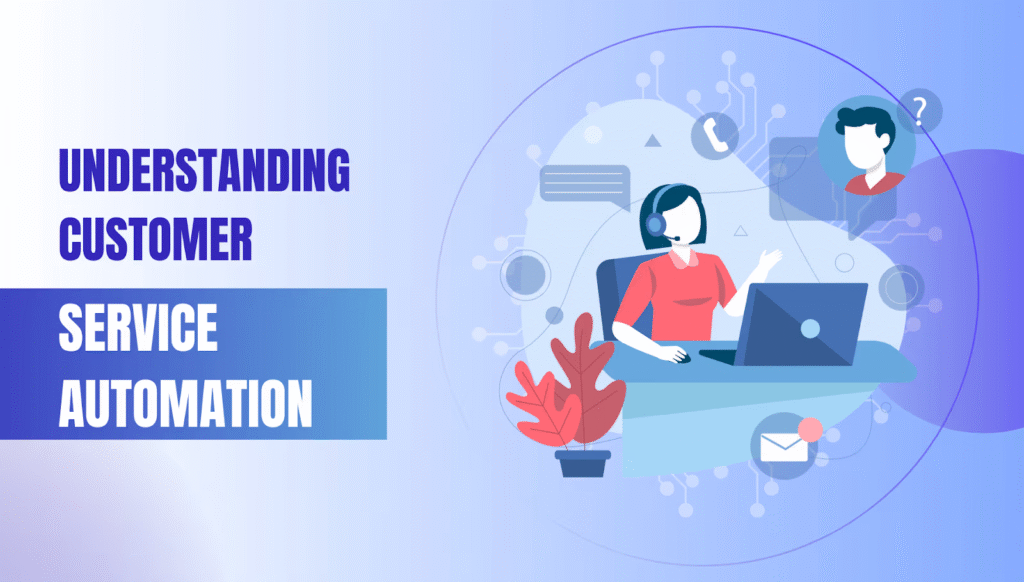
Automation in customer communication refers to the use of software and artificial intelligence to handle interactions with customers — from answering queries and processing requests to sending personalized updates and notifications.
This automation can take many forms, including:
- Chatbots and virtual assistants that provide instant replies 24/7.
- Automated email marketing campaigns that target customers based on their preferences or behavior.
- CRM systems that automatically manage and update customer data.
- AI-driven sentiment analysis tools that help businesses understand customer emotions.
The goal is to streamline communication, reduce manual effort, and create a consistent experience across every touchpoint — whether it’s through email, SMS, social media, or live chat.
2. The Evolution of Automated Communication
In the past, businesses relied heavily on manual communication methods such as phone calls and emails. As companies grew and customer bases expanded, these traditional methods became inefficient.
The shift began with email autoresponders in the early 2000s — a simple yet effective way to acknowledge customer messages instantly. Over time, as artificial intelligence and machine learning advanced, automated communication evolved into intelligent systems capable of understanding natural language, analyzing intent, and learning from interactions.
Today, tools like ChatGPT-powered assistants, AI chatbots, and voice recognition systems enable businesses to communicate in real-time, around the clock, without sacrificing personalization. This evolution has reshaped how brands interact with their audience — faster, smarter, and more strategically than ever before.
3. Key Benefits of Automation in Customer Communication
a. Faster Response Times
Automation allows businesses to respond instantly to customer inquiries. Whether it’s a chatbot answering FAQs or an automated system sending order confirmations, customers get real-time engagement. Quick responses lead to higher satisfaction and loyalty.
b. 24/7 Availability
Unlike human agents, automated systems don’t need breaks or sleep. This means businesses can provide round-the-clock customer support, especially valuable for global companies with audiences in multiple time zones.
c. Cost Efficiency
Automation significantly reduces the cost of hiring and managing large customer service teams. Once implemented, an automated system can handle thousands of interactions simultaneously — improving ROI and operational efficiency.
d. Consistent Communication
Automated communication ensures that every customer receives accurate, brand-consistent information. This consistency strengthens brand reputation and minimizes the risk of human error.
e. Data-Driven Insights
Automation tools collect and analyze customer data continuously. This helps businesses identify patterns, preferences, and behaviors — leading to better decision-making and personalized engagement strategies.
f. Enhanced Personalization
Modern automation tools use AI to personalize communication at scale. From greeting customers by name to recommending products based on purchase history, automation makes each interaction feel unique and human-like.
4. Real-World Examples of Automation in Customer Communication
a. E-commerce Platforms
Online retailers use automated chatbots to assist shoppers, track orders, and offer personalized recommendations. For example, when a customer abandons a cart, an automated email reminder can encourage them to complete the purchase.
b. Banking and Financial Services

Banks utilize AI chatbots to answer queries about account balances, recent transactions, and credit card information. Automation helps ensure customers can access services without waiting for a human representative.
c. Healthcare
Healthcare providers use automated systems for appointment reminders, patient follow-ups, and lab result notifications. This improves efficiency and enhances patient satisfaction.
d. Travel and Hospitality
Airlines and hotels use automation for booking confirmations, check-in reminders, and personalized travel offers. These systems reduce human workload while improving the traveler experience.
e. Customer Support Centers
Customer service departments integrate automation with live support. Chatbots handle common questions, while complex issues are routed to human agents — ensuring speed and empathy in the right balance.
5. Challenges in Implementing Automation
While the benefits are immense, automation also presents certain challenges:
a. Lack of Human Touch
Automated systems can sometimes feel robotic or impersonal. Customers dealing with complex issues may prefer speaking with a real person rather than a bot.
b. Over-Automation
Relying too much on automation can create frustration when customers cannot reach human support easily. The best approach is a hybrid model, combining automation with human assistance.
c. Implementation Costs
Setting up an advanced automation system requires investment in technology, integration, and training. However, this cost is often offset by long-term savings.
d. Data Privacy Concerns
Since automation relies heavily on customer data, businesses must ensure compliance with privacy laws like GDPR to maintain trust.
6. Best Practices for Effective Automation in Customer Communication
a. Understand Your Customers
Analyze customer needs and expectations before deploying automation tools. Not every communication should be automated — prioritize tasks that benefit most from speed and efficiency.
b. Maintain a Human Backup
Always give customers an option to reach a live agent. This ensures that complex issues are handled empathetically and effectively.
c. Personalize Interactions
Use automation intelligently — personalize messages using names, purchase histories, and preferences. Avoid generic responses.
d. Test and Optimize
Regularly test your automated systems to identify weaknesses or errors. Continuous optimization ensures high performance and customer satisfaction.
e. Integrate Across Channels
Automation should work seamlessly across all customer touchpoints — email, chat, social media, and phone. Unified communication builds consistency and trust.
f. Ensure Data Security
Protect customer data through encryption, secure systems, and compliance with global data protection laws.
7. The Future of Automation in Customer Communication
The future of automation lies in hyper-personalization and emotional intelligence. As AI and natural language processing (NLP) technologies advance, systems will be able to detect tone, mood, and context — enabling more empathetic and meaningful conversations.
Emerging technologies like voice AI, predictive analytics, and generative AI assistants will make automation even smarter. For instance, an AI could proactively reach out to a customer before a problem occurs or offer customized solutions in real-time.
Businesses that invest in automation today are setting the foundation for a customer-centric, data-driven future — where every interaction is efficient, personalized, and impactful.
Conclusion
Automation in customer communication has become a cornerstone of modern business strategy. It enables faster responses, cost savings, and superior customer experiences while empowering employees to focus on complex, high-value tasks.
However, the true power of automation lies in balance — blending intelligent systems with human empathy. Businesses that master this harmony will not only improve efficiency but also foster stronger, more lasting customer relationships.
In short, automation isn’t replacing human connection; it’s enhancing it — transforming the way businesses connect, communicate, and grow in the digital age.
FAQs
1. What is automation in customer communication?
Automation in customer communication uses AI and software tools to manage customer interactions automatically, such as chatbots, automated emails, and CRM systems.
2. How does automation improve customer experience?
It offers faster responses, 24/7 support, and personalized service, ensuring customers feel valued and heard at all times.
3. Are chatbots a form of communication automation?
Yes. Chatbots are one of the most popular tools for automating customer communication, providing instant answers to common queries.
4. What are the risks of over-automation?
Over-automation can make communication feel impersonal or frustrating if customers cannot easily reach a human representative.
5. How can small businesses use automation effectively?
Small businesses can start with simple tools like automated email responders, chat widgets, or CRM integrations to handle repetitive communication tasks efficiently.