
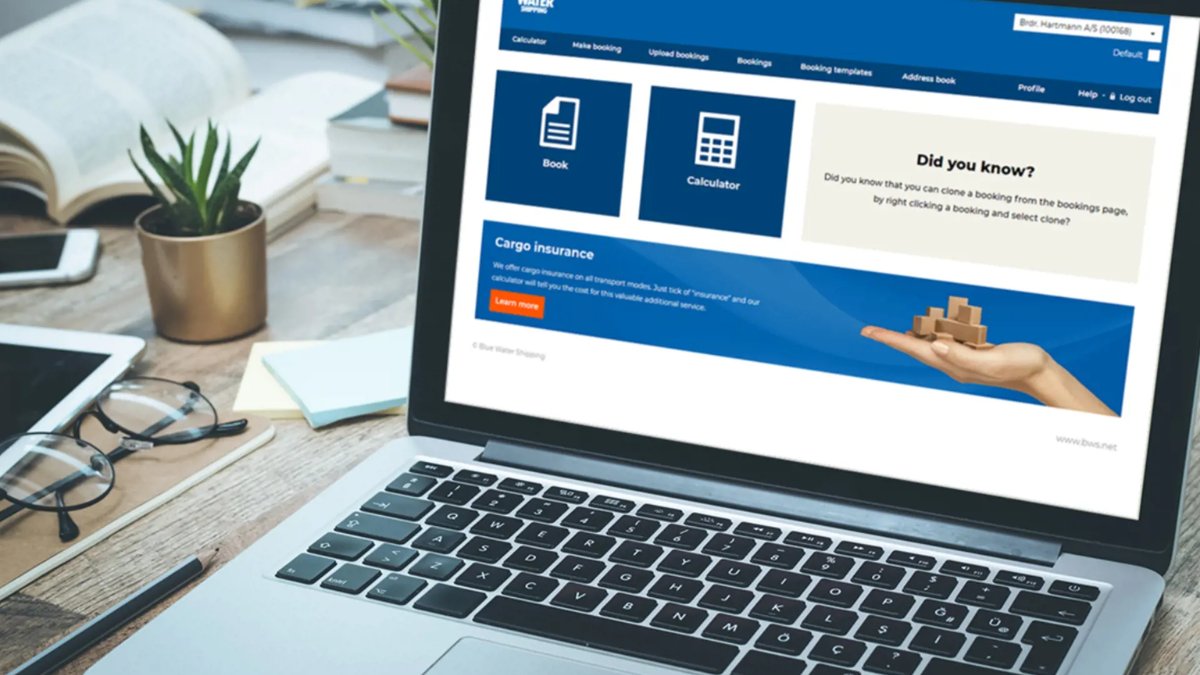
Smart Customer Tracking Tools are reshaping how businesses understand their audience. In today’s data-driven era, knowing what customers want and how they behave is crucial for success. These advanced tools not only track user activity but also help companies personalize experiences, increase retention, and improve sales performance. Businesses that leverage smart tracking systems are outperforming their competitors by staying ahead in decision-making and customer satisfaction.
The Role of Smart Tracking in Modern Businesses

Modern enterprises rely heavily on customer data to make informed decisions. Smart tracking tools gather this data in real-time, revealing how users interact with websites, apps, or products. This continuous feedback loop allows companies to refine their marketing efforts, product features, and communication strategies. By identifying what works and what doesn’t, businesses can deliver better user experiences while optimizing their operational efficiency.
Why Smart Tracking Tools Are Important
Businesses can no longer depend on assumptions. Smart Customer Tracking Tools provide accurate, actionable insights. They help marketers segment audiences, understand purchase journeys, and predict future behaviors. With such data, companies can design targeted campaigns that resonate more deeply with users. Additionally, these tools enhance customer support by providing context-based information during interactions.
Key Features of Smart Customer Tracking Tools
Real-Time Analytics
One of the strongest advantages of these tools is real-time analytics. Businesses can observe user actions the moment they happen. This immediacy helps identify potential drop-off points or bottlenecks in a customer’s journey, allowing quick improvements.
Customer Segmentation
Smart tools automatically categorize customers into segments based on behavior, preferences, and demographics. This segmentation helps businesses send personalized offers and communications that boost engagement and loyalty.
Behavioral Insights
Tracking tools record customer clicks, time spent on pages, and purchase frequency. These behavioral insights reveal what products attract the most attention and where customers may lose interest.
Integration With CRM and Marketing Platforms
These tools work seamlessly with Customer Relationship Management (CRM) systems and marketing automation software. This integration ensures that all teams have synchronized access to customer data for improved coordination and strategy.
Data Visualization
Complex data becomes easy to understand through visual dashboards. Decision-makers can track metrics like conversion rate, lifetime value, and churn rate without technical knowledge.
How Smart Customer Tracking Tools Improve User Engagement

Engagement determines a brand’s long-term success. Smart tracking tools personalize every interaction by learning from customer actions. Whether it’s recommending products or showing targeted ads, these systems ensure relevance. Increased personalization leads to longer customer retention and stronger brand loyalty. Moreover, by analyzing engagement metrics, businesses can tweak their strategies to maintain customer interest.
The Benefits of Using Smart Tracking Tools
Enhanced Decision Making
Data from tracking tools provides clarity for strategic planning. Managers can confidently allocate budgets and resources based on real evidence instead of guesswork.
Boosted Conversion Rates
Understanding customer pain points helps remove friction in the buying journey. When businesses adjust their user experience based on tracking data, conversions naturally increase.
Improved Customer Retention
Happy customers return frequently. By identifying satisfaction trends and addressing issues proactively, brands can retain more loyal buyers.
Optimized Marketing Campaigns
Campaign optimization becomes simpler when businesses know exactly which messages drive engagement. Smart tools reveal which campaigns perform well and where improvements are needed.
Increased ROI
Every marketing action backed by accurate data yields higher returns. Smart tracking ensures that every dollar spent delivers measurable value.
Popular Smart Customer Tracking Tools
Google Analytics
This tool remains a favorite for website tracking. It provides deep insights into user traffic, session duration, and conversion funnels.
Hotjar
Hotjar focuses on visual tracking through heatmaps and user recordings. It helps brands understand where customers click and what sections they ignore.
Mixpanel
Mixpanel specializes in event-based tracking, making it perfect for apps and product analytics. It helps identify user behaviors across multiple sessions.
Zoho CRM
This platform integrates tracking with customer relationship management. Businesses can follow leads, automate communication, and monitor user activity.
HubSpot
HubSpot combines tracking, marketing automation, and CRM in one platform, making it ideal for small to medium-sized businesses.
The Future of Smart Customer Tracking
Technology continues to evolve, and so does customer tracking. Artificial intelligence and predictive analytics are now transforming raw data into future insights. Soon, tools will not just track behavior but also anticipate user needs before they act. This predictive capability will redefine customer relationship management and marketing personalization.
Ethical Considerations in Customer Tracking
While tracking helps businesses grow, it must be done ethically. Companies should prioritize user privacy by complying with data protection regulations like GDPR. Transparency builds trust, and customers feel more secure when they know how their data is used. Implementing strong encryption and giving users control over their data ensures long-term credibility.
How Businesses Can Choose the Right Tool
Choosing the right tool depends on business needs. Small companies may prefer simple tools like Google Analytics, while large enterprises may invest in comprehensive systems like HubSpot or Mixpanel. Factors like budget, scalability, and data integration should be considered before selection. A good practice is to test multiple tools through free trials to evaluate their performance and user-friendliness.
Challenges in Implementing Smart Tracking
Implementing new technology can bring challenges. Businesses must train teams to interpret data effectively. Too much data can also overwhelm decision-makers, so focusing on relevant metrics is key. Another challenge is maintaining compliance with evolving privacy laws. Overcoming these obstacles ensures smoother integration and effective use of tracking systems.
Conclusion
Smart Customer Tracking Tools have become essential for modern businesses aiming to enhance growth, efficiency, and customer loyalty. By delivering actionable insights, they enable brands to understand users deeply and respond instantly to their needs. As technology advances, businesses that embrace data-driven strategies will continue to lead their industries through smarter engagement and superior performance.